Polymyalgia rheumatica
Pain and stiffness in the shoulders, hips and neck, usually after the age of 50.
Polymyalgia rheumatica: what it is
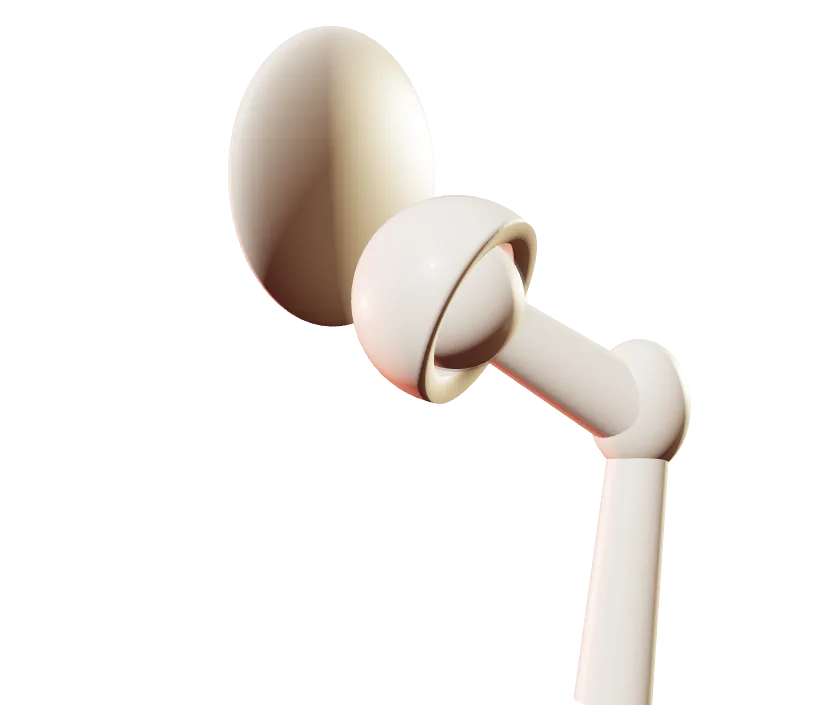
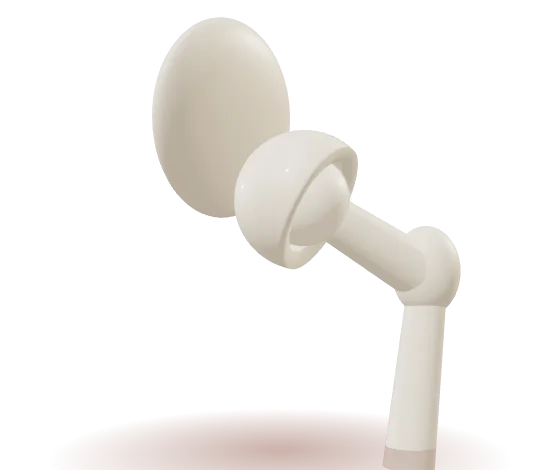
Polymyalgia rheumatica (PMR) causes pain and stiffness in the shoulders, neck and hips. It almost always starts after the age of 50 and is more common in women.
The stiffness is typically worst in the morning and can make it hard to get out of bed, turn over or dress.
Polymyalgia rheumatica: common signs
- Aching and stiffness in both shoulders and the upper arms
- Pain in the hips, thighs or neck
- Morning stiffness lasting longer than 45 minutes
- Tiredness, low mood, a low fever or loss of appetite
- Symptoms on both sides of the body that build over days to weeks
Polymyalgia rheumatica: how a rheumatologist helps
Checking that the pain comes from PMR and not from another condition, using examination and blood tests.
Treating it, usually with a steroid medicine that is reduced slowly over time, with regular review to manage side effects and protect the bones. Do not stop steroid medicine suddenly.
Watching for giant cell arteritis, a related condition of the arteries of the head that needs urgent treatment.
- A new, different headache, or a tender scalp
- Jaw pain when chewing
- Any sudden change in vision, double vision or loss of vision
In an emergency call 1122 or go to the nearest emergency department.
Related conditions
Plan your visit
See what to bring to your first visit, then choose a clinic consultation in Rawalpindi or a video consultation.
This page is general information for awareness. It is not a diagnosis or treatment advice.